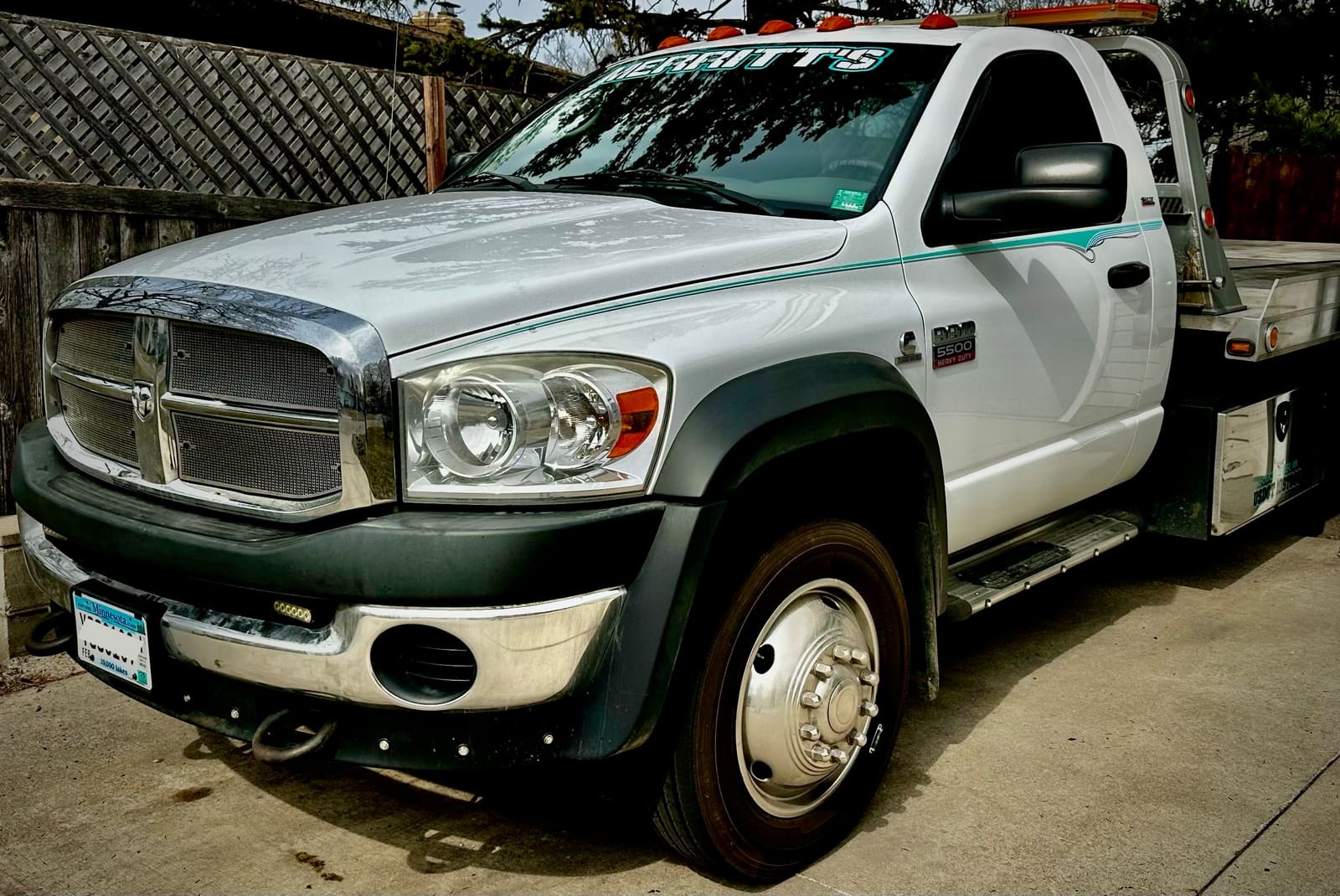
Ford F-150, Chevrolet Silverado, GMC Sierra, and Ram 1500
For a Ford F-150, Chevrolet Silverado, GMC Sierra, or Dodge/Ram 1500, include the model year, cab and bed configuration, engine if known, and two-wheel or four-wheel drive. Explain known mechanical faults, collision damage, removed parts, and the condition of the frame and suspension. These details identify your truck; the model name alone does not establish an offer.
Say whether a plow, camper, aftermarket lift, trailer, or other attachment is present. Tell the buyer about material in the bed and remove personal property safely. For heavier or commercial trucks outside these examples, ask about acceptance and equipment before arranging release or a drop-off.
Honda Civic and Toyota Camry
For a Honda Civic or Toyota Camry, provide the year, body style, engine or hybrid version if known, mileage, and actual condition. A car with an engine problem can present a different proposal from a running car with collision damage or a dismantled project. Describe the faults instead of relying on another listing’s price.
Tell the buyer whether the engine, transmission, wheels, and exhaust components remain. Identify a hybrid vehicle at the first call and disclose known battery damage without handling high-voltage components. Acceptance and loading are reviewed for the individual vehicle.
Ford Taurus, Mercury Sable, and Chevrolet Impala
For a Ford Taurus, Mercury Sable, or Chevrolet Impala, explain whether it starts, moves, rolls, and steers. Include how long it has been parked and known body or underbody damage. An older car can have several unrelated problems; an existing repair estimate can help explain them without purchasing a new diagnosis.
If the car is at a repair shop, confirm who holds the keys and what is needed for release. A driveway pickup and a vehicle behind a shop’s locked gate need different access arrangements even when the vehicle model is identical.
Jeep Grand Cherokee and Subaru Outback, Forester, or Legacy
Identify the exact model, year, drivetrain, and known fault for a Jeep Grand Cherokee or Subaru Outback, Forester, or Legacy. Explain any engine, transmission, collision, fire, or flood issue that you know about. These are examples for describing a vehicle, rather than a prediction that a particular model has a particular defect.
Describe wheel, tire, steering, and suspension condition separately from the engine problem. Include garage clearance, tight turns, soft ground, or a slope at the pickup site. Let the operator select a suitable loading method after reviewing the vehicle and access.
Chrysler Town & Country and Dodge Caravan minivans
For a Chrysler Town & Country or Dodge Caravan, send the model year, condition, missing-component details, and whether the van can roll and steer. Disclose mobility equipment or other substantial modifications so the buyer can determine whether the vehicle fits the proposed arrangement.
Before a confirmed pickup, check under and between seats, folding-seat compartments, door pockets, cargo storage, and the spare-key location. Remove child seats, work equipment, personal paperwork, and remotes safely. Keep the agreed documents ready and coordinate any shared-garage or property access.
Other models, business vehicles, and unusual equipment
You can ask about other cars, trucks, vans, and SUVs using the same details: identity, condition, completeness, ownership documents, and pickup setting. These examples are not a statewide ranking, a price list, or a guarantee that any specific vehicle will be purchased.
For a business-owned vehicle, identify who is authorized to sell it. Ask directly about recreational vehicles, buses, tractors, farm equipment, trailers, and commercial vehicles; their size, documents, condition, and loading needs require an individual acceptance discussion. Wait for confirmation before arranging a drop-off.