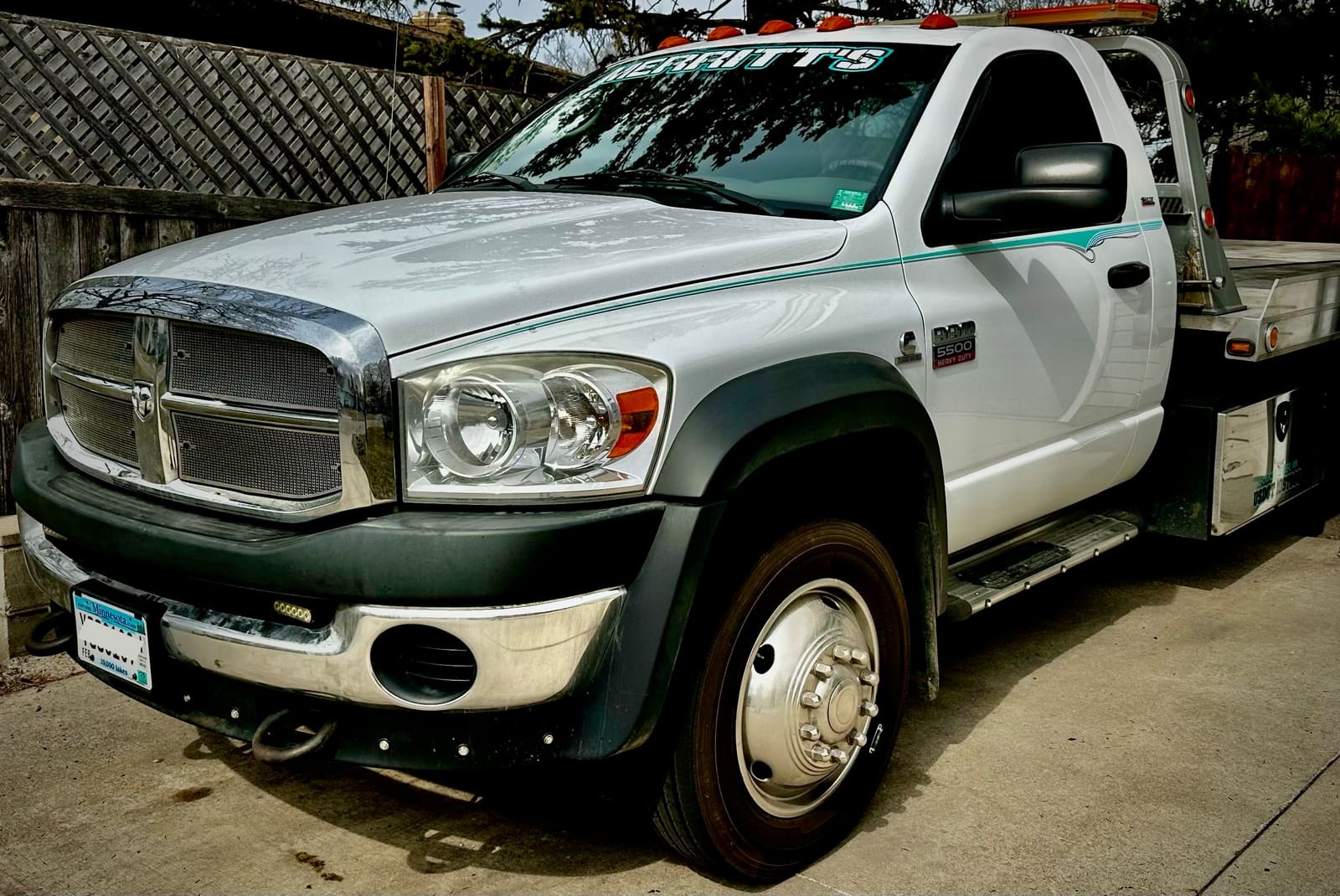
A car that starts may still need significant work
A running engine does not tell a buyer whether the transmission operates, the suspension is damaged or the car can safely move. Describe the known problems as well as what works. Do not drive an unsafe vehicle to prove that it starts.
A private buyer, repair buyer and recycling buyer may evaluate different aspects of the same car. Compare vehicle-specific proposals rather than assuming every running car should be scrapped or every non-running car has only material value.
Completeness and usable components matter
A complete non-running car and a dismantled shell are not equivalent. Tell the buyer whether the engine, transmission, wheels and other major components remain. Include collision, fire or flood damage and parts removed during a repair diagnosis.
Do not take parts off after an offer is accepted without discussing the change. Removal can alter both the purchase review and the equipment needed to collect the car. An internet asking price for one used part is not proof of what you will receive from selling it.
Loading costs can change the net comparison
A vehicle that rolls and steers on pavement is different from one with locked wheels in a low garage. Send the pickup city, surface, clearance and obstructions with your condition report. A failed engine and a car that cannot roll are different removal problems.
Ask whether pickup has a charge and whether it is already included in the quoted amount. The useful figure is the amount you receive after the agreed costs, not a large estimate given before the address and loading setting were discussed.
Should you repair it to improve the offer?
Compare a written repair estimate with actual offers for the car in its present condition and after the proposed work. Include transport, storage, time and the risk that more repairs are needed. A repair cost is not automatically recovered in the selling price.
You do not need to purchase repairs or a new diagnosis just to ask Merritt’s about a vehicle. Describe the known fault and what remains, then compare that option with keeping the car, a private sale or a trade-in.
It starts but will not move: how should I describe it?
Say exactly that. An engine that starts does not establish that the transmission engages, the brakes release, or the suspension can support movement. Share a repair shop’s existing diagnosis if you have one, and distinguish that diagnosis from a guess.
Tell the buyer separately whether the vehicle can roll and steer. A transmission problem and locked wheels create different loading questions. Do not drive, push, or tow an unsafe car to demonstrate its condition; discuss the access and equipment before scheduling.
It ran when parked, but now the battery is dead
Give the last date it was known to run, how long it has been parked, and what you have observed since. “Ran when parked” is useful history, but it does not establish its condition today. A dead battery can hide other faults, and a long-parked vehicle can have tire, brake, fuel, or fluid issues.
You can request an offer without buying a battery or attempting a restart. If you are considering professional testing or repairs, first compare the cost with an actual offer for the vehicle as it sits. Avoid the assumption that a small repair will always produce a larger payment.
Does a warning light make it a non-running car?
A warning light alone does not describe the underlying condition. State whether the engine starts, whether the vehicle moves normally, any known warning or diagnostic code, and symptoms such as overheating, smoke, leaks, or unusual noises. Say when the symptom was last observed.
Use an existing diagnostic report if available; do not guess that every light is a minor issue or promise a buyer that the vehicle is roadworthy. An accurate description makes it easier to compare a repair buyer, private sale, trade-in, and recycling offer for the same car.
Use the same facts when asking multiple buyers
Prepare one current description and photographs so each offer concerns the same vehicle. Ask whether the estimate is preliminary and what inspection findings could change it.
- Year, make, model and known faults
- Whether it starts, rolls and steers
- Completeness, damage and removed components
- Pickup address, surface and access
- Title, lien and key status
- Amount payable after agreed costs
- Payment arrangements and confirmed pickup window