Repairing and keeping the car
Start with a written estimate for the known problem, the vehicle’s overall condition, and other work it already needs. Compare the repair expense with the cost and practicality of a replacement.
Do not authorize work simply to obtain a junk-car offer. You can ask about selling it in its current condition while you compare alternatives.
Selling privately
A private sale may suit a vehicle another owner or project buyer wants. Consider the time to answer messages, arrange viewings, disclose condition, handle documents, and coordinate safe payment and removal.
An asking price is not a completed sale. Compare realistic proceeds and effort, especially when the car cannot be driven or must be removed by a deadline.
Trading it in
When buying another vehicle, ask the dealer whether it will accept your current car in its condition. Compare the complete transaction rather than focusing only on the trade-in figure.
A disabled vehicle may also require transport. Confirm who handles that cost and whether the trade-in offer depends on inspection or repair.
Discussing a junk-car offer
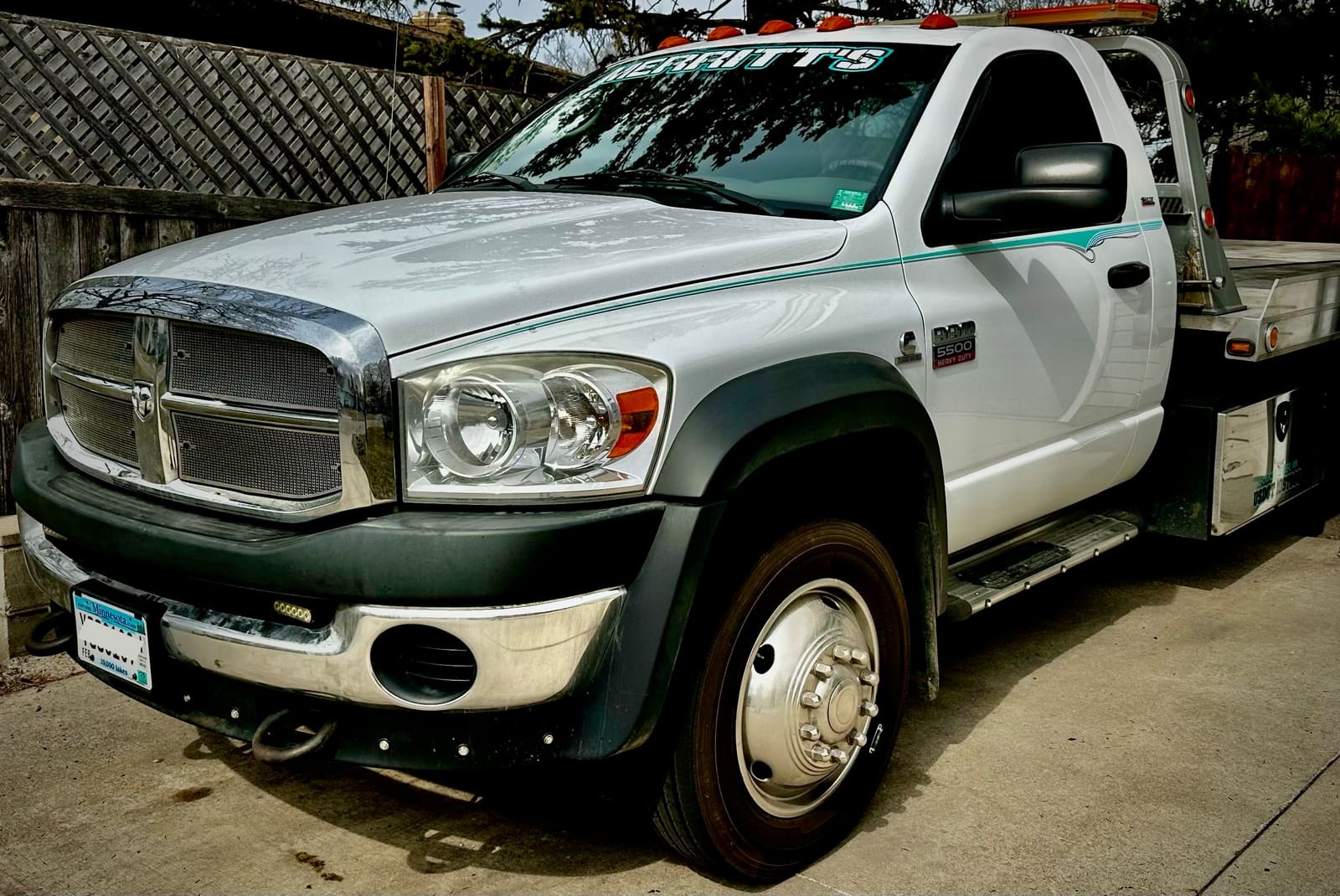
For an unwanted, damaged, or non-running vehicle, a buyer such as Merritt’s can review the car and pickup setting. Ask about the amount payable, any removal charge, documents, and how payment is handled.
The inquiry does not obligate you to accept an offer. Decide after the vehicle and transaction details are clear.
Use net proceeds to compare the offers
For a private sale, subtract advertising, agreed repairs, transport, and any other selling expense from the realistic sale proceeds. For a recycling purchase, subtract any agreed removal charge from the payment. Compare an actual offer with another actual offer; an optimistic asking price is a different kind of number.
When a trade-in is part of buying another car, request the full written out-the-door transaction, including the vehicle price, trade allowance, fees, financing, and applicable taxes. A larger trade allowance can be offset elsewhere in the deal. Ask the dealer or Minnesota Department of Revenue about the tax treatment for your transaction instead of applying an old blog’s tax rate.
How much time can you give a private sale?
Include photographs, listing messages, appointments, test-drive arrangements, document preparation, and buyer removal in your decision. A running vehicle another owner wants can be a reasonable private-sale candidate. A disabled project can also have a buyer, but transport and an honest condition description become especially important.
Choose a review date if a property deadline or storage cost makes waiting expensive. You can discuss a vehicle offer while testing other options; ask when each offer expires rather than assuming a quote remains available indefinitely. Do not promise collection to a property manager until the buyer confirms a pickup window.
Check the buyer and payment before handing over the car
The Federal Trade Commission warns sellers about fake checks and overpayment requests. A request to refund an excess payment or pay a supposed shipper deserves particular scrutiny. Funds appearing in an account do not by themselves establish that a check is genuine.
Identify the buyer, confirm the payment arrangement with the appropriate financial institution, and keep a transaction record. Use official Minnesota instructions for the documents and any required sale reporting. Do not send photographs of identification or an unsigned title to an unknown person merely to answer a marketplace inquiry.
Compare the net outcome
Write down the likely outcome of each option using the same current vehicle description.
- Money received or spent after repairs, fees, and transport
- Time required to complete the transaction
- Documents and authority to sell
- Access and removal arrangements
- A deadline or ongoing storage expense
- Your need for a replacement vehicle