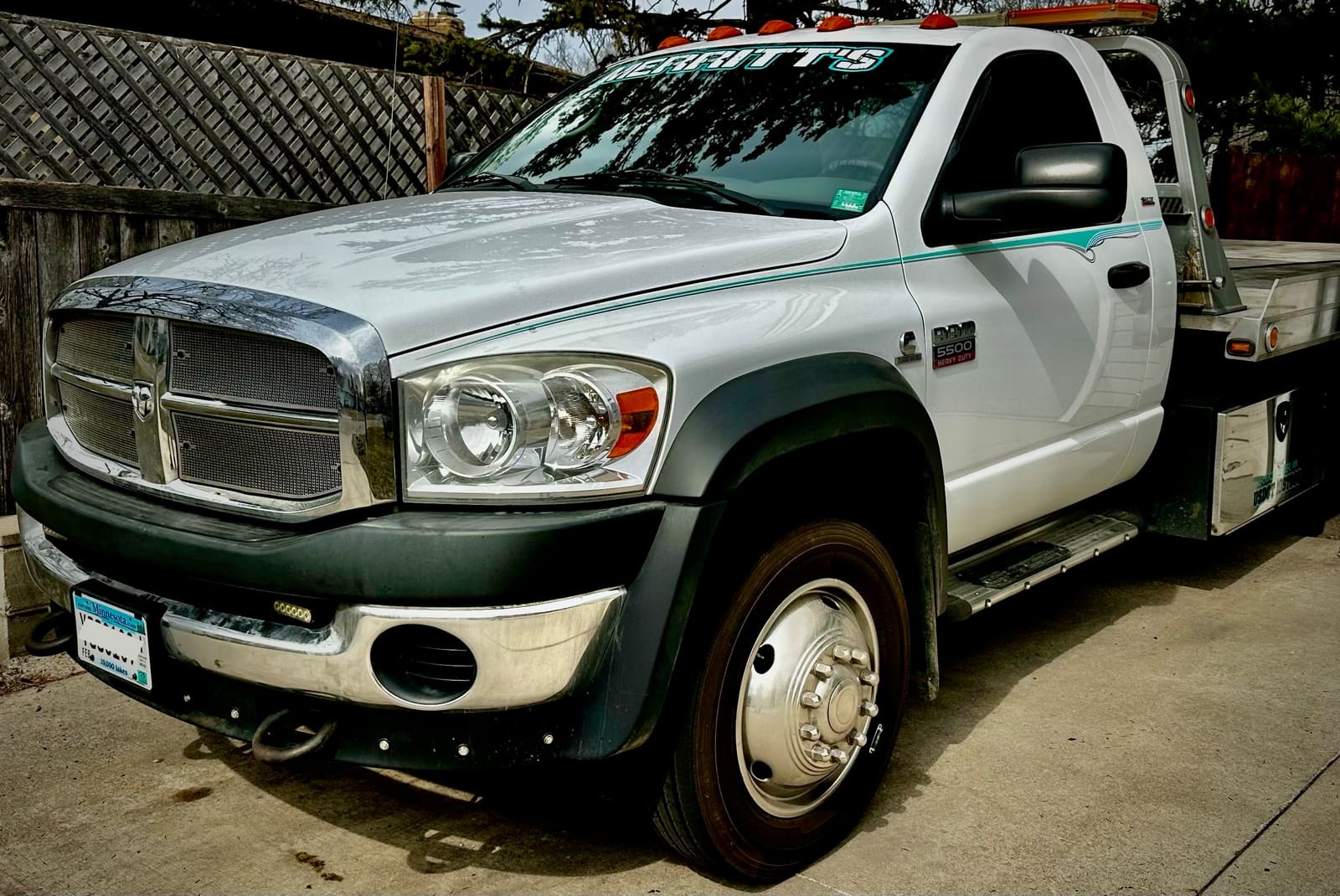
Can I keep the plates or move them to another car?
Do not assume that removing plates lets you use them on a replacement car. Minnesota Statutes 168.12 generally restricts moving issued plates and registration stickers to a different vehicle during their registration period, with specified exceptions. Personalized and other eligible plate transfers follow their own rules.
For a car being sold for scrap, identify the plate type and ask DVS or a deputy registrar whether the plates should stay, be retained, transferred through an application, or disposed of for that transaction. Coordinate this with the buyer’s vehicle-identification and receipt process before pickup. A rule about transferring plates is not a universal instruction about physically removing them from every junk car.
What changes with personalized or specialty plates?
Minnesota law provides transfer provisions for personalized plates, and New Brighton’s License Bureau explains that many specialty plates can transfer to another vehicle in the owner’s name through an application. Fees, eligibility and the proper process depend on the plate.
Contact the official office before the car leaves if preserving a plate configuration matters to you. Do not simply place the old plates on a replacement vehicle without completing the applicable process. Keep the office’s instructions with your sale checklist.
Why does a scrap buyer ask about the plate number?
Minnesota’s scrap-vehicle record requirements include the plate number, if any, along with vehicle and seller information. Plate handling therefore is separate from identifying the vehicle and documenting the transaction.
Tell the buyer about missing plates rather than obtaining or attaching unrelated ones. Ask how existing plates should be handled for the transaction and what receipt you will receive. A plate number is not a replacement for the ownership review.
What personal items should I remove regardless?
Check the console, glove box, seats, trunk and storage compartments. Remove personal paperwork, toll tags, garage remotes, parking permits and belongings. Remember stored keys and electronic devices that may not be obvious during a quick walkaround.
For paired phones or saved addresses in a vehicle’s system, remove personal data using the manufacturer’s instructions when it is safe and practical. Do not enter an unsafe damaged vehicle or attempt electrical work just to perform a reset.
Keep the title, sale record and insurance timing separate
Removing a physical plate does not by itself transfer ownership or complete a junk record. Keep the accepted offer, buyer details, receipt and completed documents you are entitled to retain. Resolve any DVS reporting requirement for the actual transaction.
Discuss the effective date of insurance changes with your insurer after the handoff arrangements are clear. Sending an inquiry is not the same as completing a sale. Do not cancel coverage merely because you received an estimate or scheduled a call.
Your plate-and-pickup checklist
Complete the applicable official steps before the agreed loading window.
- Identify standard, personalized or specialty plates
- Confirm whether this is an ordinary sale or scrap transaction
- Check plate disposition or transfer with the appropriate office
- Arrange the agreed ownership paperwork and buyer records
- Remove personal belongings and access devices
- Keep sensitive identifiers out of public photos and reviews